

The New Cold War’s Hottest Theater: Who Will Control the Indo-Pacific?
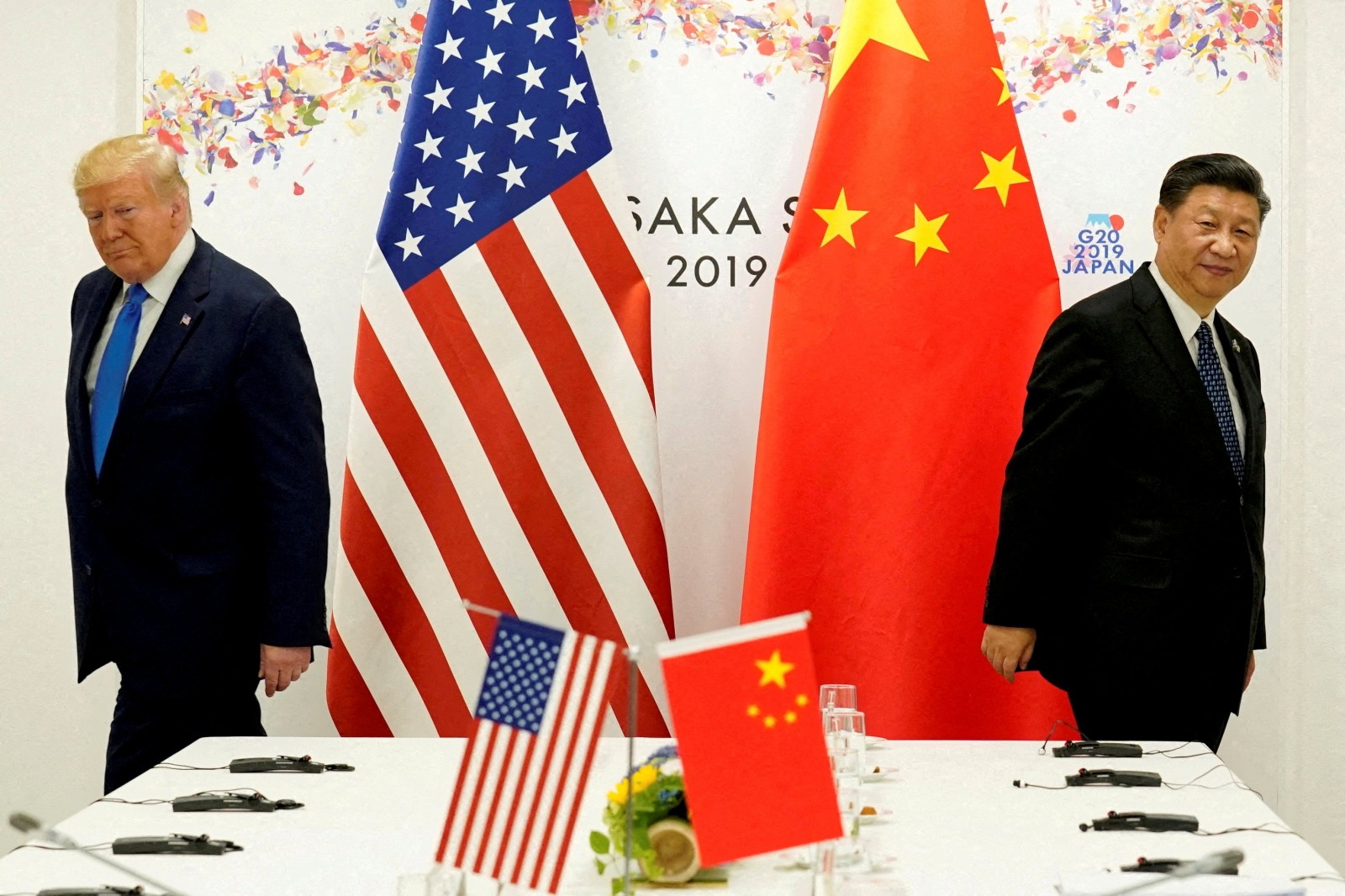
“The old world is dying, and the new world struggles to be born: now is the time of monsters.” Gramsci wrote those lines in a prison cell, with a fascist boot on his neck. He was right then. He is right now. The monsters have simply changed their tailors. Two great powers are circling the Indo-Pacific. One speaks of rules and order. The other speaks of harmony and development. Both mean the same thing: control. The difference between them is largely one of vocabulary.
Washington calls it deterrence. Beijing calls it sovereignty. The smaller nations of the region call it Tuesday. They have been navigating the appetites of larger powers for so long that they have developed a sixth sense for it — that particular stillness of a man who hears footsteps behind him and does not yet know whether to run. The region is changing, of course. It is always changing. Alliances shift. Frameworks multiply. Diplomats meet, issue statements, and fly home. The statements say very little, which is precisely the point. Clarity, in international affairs, is dangerous. Vagueness keeps options open.
And yet beneath all the architecture of summits and strategic partnerships and carefully worded joint communiqués, the essential fact remains brutally simple: two behemoths are staking their claim on the most consequential stretch of water on earth, and every nation in between must decide, sooner or later, which way to lean when the pushing starts. They call this choosing “strategic autonomy.” It is an attractive phrase. But autonomy, like peace, is not a condition — it is a performance. And one can only perform it so long before the audience demands you pick a side.
Great-Power Strategic Competition
The contemporary security architecture of the Indo-Pacific is fundamentally defined by the structural friction between Washington’s alliance-based regional strategy and Beijing’s assertive military modernization. Superpowers are aggressively deploying a combination of economic statecraft and security outreach to shape the rules-based international order and secure alignment from regional capitals. Consequently, this pervasive bilateral rivalry compels localized institutions to delicately balance their diplomatic engagements, striving to avoid subordination as mere proxies in a broader hegemonic contest.
Evolution of Minilateral Alliances
To effectively counter potential regional destabilization, the United States and its strategic partners have increasingly pivoted toward flexible, “minilateral” frameworks rather than relying solely on traditional multilateral institutions. Collaborative defense paradigms, notably the deepening integration among Japan, Taiwan, and Canada, illustrate how non-diplomatic cooperation and legislative exchanges establish critical intellectual infrastructure for supply-chain resilience and contingency planning. Furthermore, these targeted coalitions synergize with established frameworks like the Quad to maximize collective operational capabilities, thereby deterring military adventurism and preserving stability across the Western Pacific.
Middle Power Strategic Autonomy
Amid escalating superpower friction, middle powers and developing nations across the Global South are systematically pursuing strategies of strategic autonomy to safeguard their sovereign imperatives. Nations such as India have substantially broadened their defense diplomacy beyond the Indian Ocean, leveraging augmented material capabilities to project influence and forge functional security partnerships within the Western Pacific subregion. Concurrently, Southeast Asian states utilize regional architectures like ASEAN to sustain diplomatic centrality, though these leaders face formidable challenges in navigating both domestic political volatility and the coercive demands of competing global powers.
Defense Diplomacy and Deterrence
Naval collaboration and joint military exercises have crystallized as paramount instruments for telegraphing credible deterrence and advancing interoperability among allied maritime forces. Expanding tactical initiatives, including the Malabar and SITMEX exercises, reflect a unified strategic consensus among participating nations that pooling naval resources is imperative to challenge operational encroachments by rival powers into critical maritime theaters. These sophisticated maneuvering protocols provide essential reassurance to regional actors, furnishing alternative security architectures that actively contribute to a resilient, free, and open Indo-Pacific domain.
Navigating Regional Flashpoints
The enduring persistence of unresolved territorial disputes and volatile security flashpoints severely threatens to undermine the Indo-Pacific’s trajectory as the primary engine of twenty-first-century global economic expansion. Defense analysts remain acutely concerned regarding the precipitous risks of military miscalculation, particularly as major adversaries execute overlapping diplomatic campaigns and deploy advanced platforms near highly contested maritime boundaries. Ultimately, the preservation of regional stability is contingent upon whether middle powers can effectively compartmentalize external geopolitical pressures while proactively recalibrating the regional security architecture to mitigate these imminent crises.