

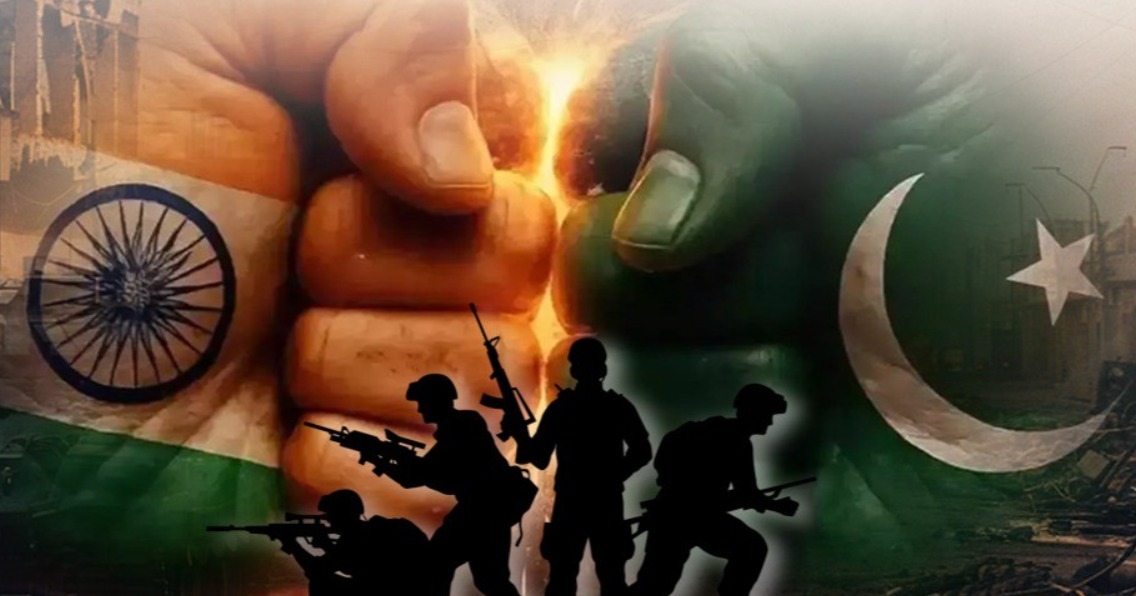
Pakistan and India: After the dust settles
The four-day war of May 2025 fundamentally altered the geopolitical and economic architecture of South Asia. Ignited by the contested Pahalgam incident, the brief but intense military confrontation between India and Pakistan shattered the fragile status quo that had defined the region for years. While a ceasefire mediated by external powers successfully halted the immediate bloodshed, the structural roots of the animosity remain entirely unresolved. Entering 2026, both nuclear-armed nations find themselves navigating a precarious post-war landscape where the traditional doctrines of deterrence are actively colliding with severe domestic economic vulnerabilities. As the diplomatic vacuum persists, the urgent necessity to transition from mere conflict management to permanent conflict resolution has never been more evident for the stability of the broader Indo-Pacific theater.
The Strategic Fallouts of the May Conflict
The military dynamics of the May 2025 conflict systematically dismantled previously held assumptions regarding conventional deterrence in the subcontinent. Following India’s unprovoked airstrikes under “Operation Sindoor,” Pakistan launched a highly calibrated and decisive retaliatory campaign codenamed “Operation Bunyanum Marsoos”. Utilizing precision-guided Fatah-series missiles, loitering munitions, and advanced air assets, the Pakistan Armed Forces successfully targeted 26 high-value Indian military installations and neutralized intruding aircraft. This robust kinetic response not only re-established Pakistan’s credible deterrence but also definitively challenged New Delhi’s presumption of escalatory dominance. By demonstrating the capacity to effectively penetrate Indian airspace and neutralize strategic targets, Islamabad proved that any unilateral aggression would be met with proportionate, overwhelming retaliation.
Beyond the immediate tactical outcomes, the brief war catalyzed a profound realignment in global diplomatic postures, particularly emanating from Washington. Fearing the catastrophic potential of a nuclear exchange, US President Donald Trump intervened aggressively, leveraging threats of unprecedented 200 to 350 percent trade tariffs to force both nations into a ceasefire via their Directors General of Military Operations (DGMOs). This high-stakes mediation resulted in an unexpected structural shift in US foreign policy regarding South Asia. Recognizing the limitations of India’s military performance and its diplomatic rigidity, the Trump administration actively pivoted away from its long-standing “India First” regional strategy. Consequently, Washington elevated Pakistan’s strategic importance, publicly praising its counterterrorism frameworks and recognizing Islamabad as an indispensable stakeholder for regional equilibrium.
This shifting external dynamic has placed immense pressure on India’s strategic establishment to reassess its regional posture. Indian strategic thinkers have grown increasingly alarmed by the prospect of a synchronized two-front war involving both Pakistan and China. While New Delhi has historically maintained a policy of diplomatic disengagement and isolation toward Islamabad, the realization of its own conventional military vulnerabilities has sparked intense internal debate. Prominent Indian diplomats have begun subtly hinting at the necessity of limited re-engagement, recognizing that the era of relying solely on diplomatic coercion has yielded diminishing returns. For Pakistan, this realization offers a narrow but crucial window to push for equitable, dialogue-driven frameworks that respect sovereign equality.tribune.com+1
The Economic Imperative for Conflict Resolution
While the kinetic hostilities were brief, the macroeconomic shockwaves generated by the four-day war have deeply scarred both economies, fundamentally altering domestic priorities. Conflict models estimate that the broader economic fallout—encompassing direct hardware losses, aviation disruptions, infrastructure damage, and plunging investor confidence—cost the region billions of dollars. Pakistan’s economy, already navigating precarious fiscal vulnerabilities and reliant on external structural support, faced immense immediate pressure. The conflict threatened to derail modest recovery trajectories, underscoring how conventional military mobilization disproportionately burdens developing financial infrastructures. However, the economic logic of peace applies equally to New Delhi, which suffered an estimated ₹48,000 crore in direct losses and saw significant industrial contractions in its border states.
The staggering financial toll of militarized posturing has amplified calls from Pakistani policymakers to abandon the unsustainable paradigm of “conflict management.” For decades, the bilateral relationship has been characterized by intermittent crises that are temporarily defused but never structurally resolved. Strategic analysts argue that merely managing tensions diverts vital domestic resources away from critical social development, infrastructure, and human capital investments. In contrast, a genuine pivot toward conflict resolution could unlock transformative regional prosperity. Economic forecasts suggest that normalized trade relations and joint geoeconomic cooperation could theoretically add upwards of $35 billion annually to the combined GDP of both nations.
Realizing this economic dividend requires a profound departure from zero-sum geopolitical thinking. Pakistan has repeatedly communicated its desire for a principled order anchored in mutual respect, advocating for the reinvigoration of bilateral and multilateral frameworks to settle core disputes like Kashmir. Historical precedents, such as the Good Friday Agreement, have been cited by Pakistani officials as potential models for navigating entrenched territorial and ideological disputes. Ultimately, the economic survival and modernization of both states depend heavily on their ability to untether themselves from the financial drain of perpetual hostility. Without peace, both nations risk sacrificing their long-term developmental trajectories on the altar of hyper-nationalist security imperatives.
Diplomatic Paralysis and the Danger of Accidental Escalation
Despite the undeniable strategic and economic arguments for peace, the current diplomatic environment remains paralyzed by a dangerous communication vacuum. Since the May 2025 ceasefire, an uneasy truce has prevailed, yet the prospects for comprehensive diplomatic re-engagement remain exceedingly dim. India has officially framed its current posture as merely a “suspension” of military operations, deliberately avoiding any commitment to formalized peace dialogues. While technical communications between DGMOs have successfully maintained the immediate ceasefire, this restricted, tactical-level contact is entirely insufficient for addressing the complex, deep-rooted grievances that spark these crises. The absence of high-level diplomatic channels significantly heightens the risk of misinterpretation during periods of heightened tension.
This volatile environment is further exacerbated by the deeply entrenched political rhetoric dominating domestic discourse. Analysts frequently warn that the proliferation of hyper-nationalist narratives—often utilized for electoral leverage—keeps the threshold for accidental military escalation alarmingly low. The continuous mobilization of domestic populations around militaristic identities makes it politically hazardous for leadership on either side to offer the necessary concessions required for lasting peace. Furthermore, the unpredictable presence of non-state actors ensures that any localized incident could rapidly circumvent official channels, triggering an uncontrollable escalatory spiral before diplomats can intervene.
Consequently, South Asia remains trapped in a perilous state of strategic limbo. The international community, particularly the United States and China, continues to play a reluctant but necessary role as external crisis managers. However, relying on ad-hoc foreign mediation to prevent nuclear conflict is a structurally flawed security architecture. To achieve sustainable stability, states must communicate more frequently and effectively, moving beyond reactionary crisis management. Until India and Pakistan can summon the political courage to engage in uninterrupted, substantive dialogue aimed at genuine conflict resolution, the shadow of the May 2025 war will continue to loom heavily over the region’s future.